Welcome to a new feature on FortCollinsLife-Times!
This is the home for the “Colorado Poetry Post” a new effort to support NOCO poetry- and from all over Colorado! Two Colorado poets will be published at a time in this invitational gathering of words.
Watch this space for the first edition- coming soon!
Until then…
Tim Van Schmidt- New York City 2026
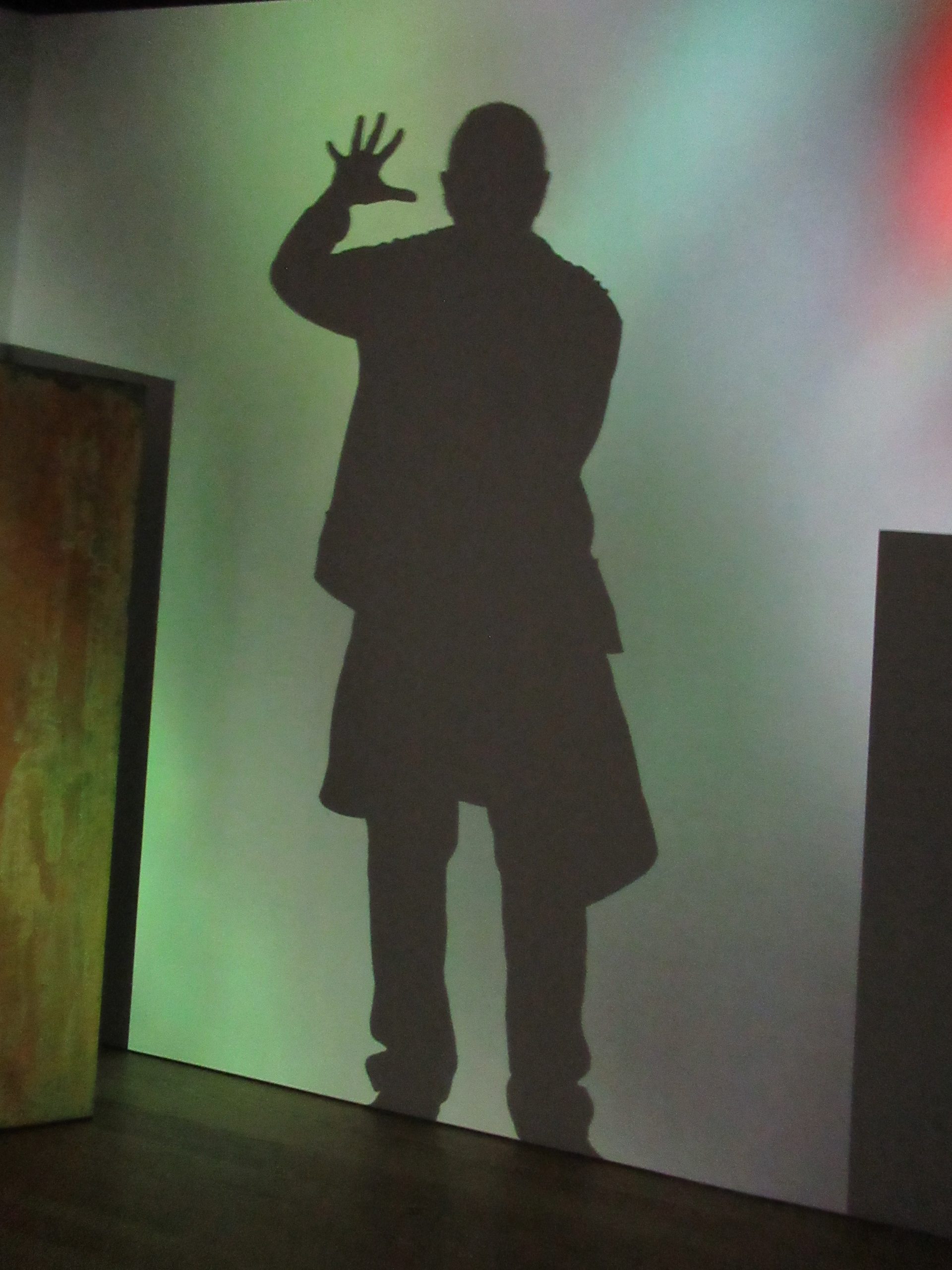
Mr. Dark, Go to Your Room
Slinking into my language, Dark utters graceless words, snarling and snapping.
All that can be said is: go to your room.
This is temporary. Dark relents but the door stays open. In fact, there is no door.
Dark exudes contempt, inching across the threshold to bark an unkind truth.
Again, say: go to your room.
That is Dark’s weakness- he retreats but relishes his angry mission to escape.
Freed, Dark marks territory, eats time twisted by brazen, skewed logic.
Dark stands like the grizzly, bellows and belches, raking claws across the path.
It needs to be said: go to your room.
In that moment, Dark whimpers, becomes only a shadow running from his brother.
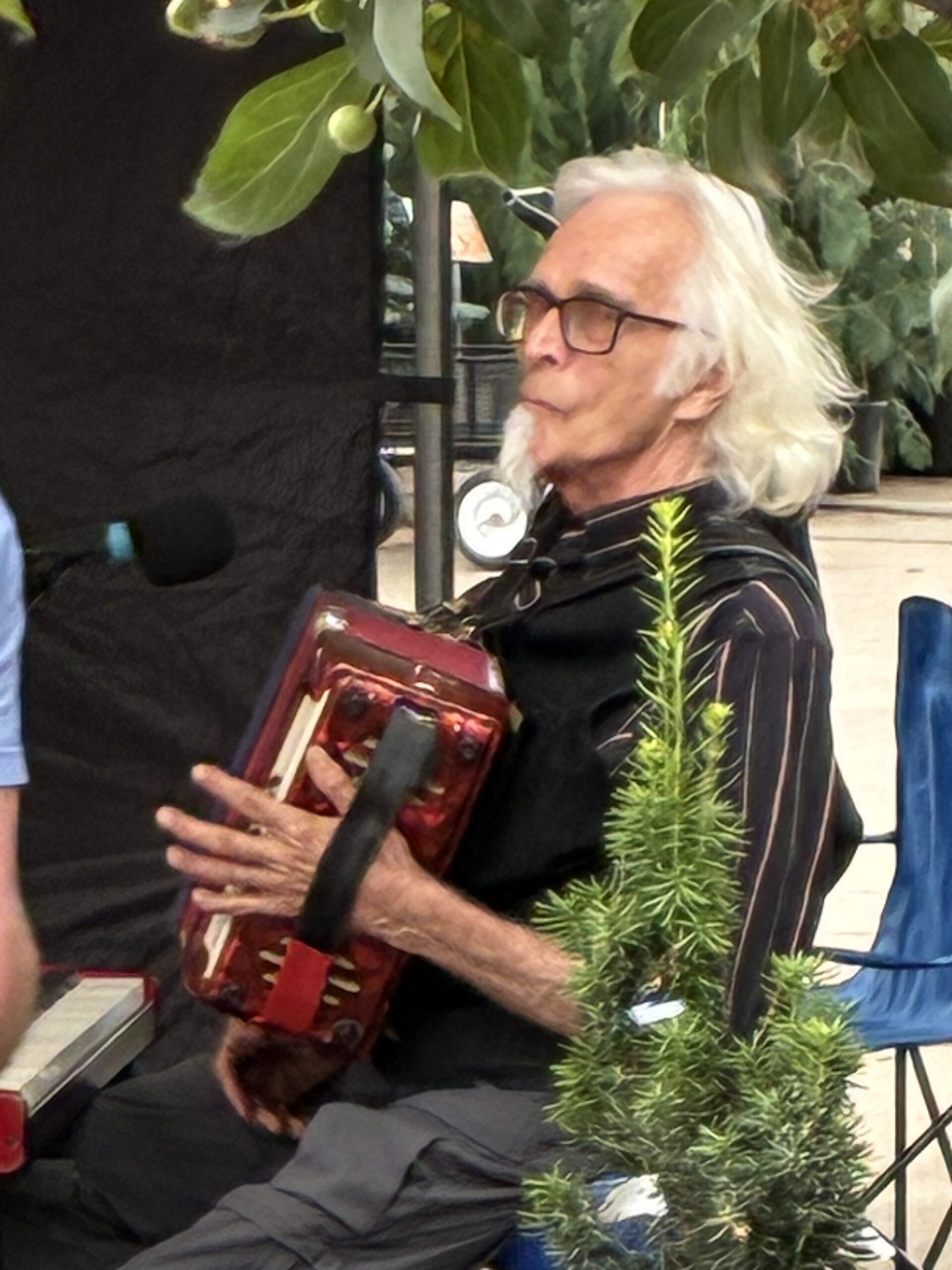
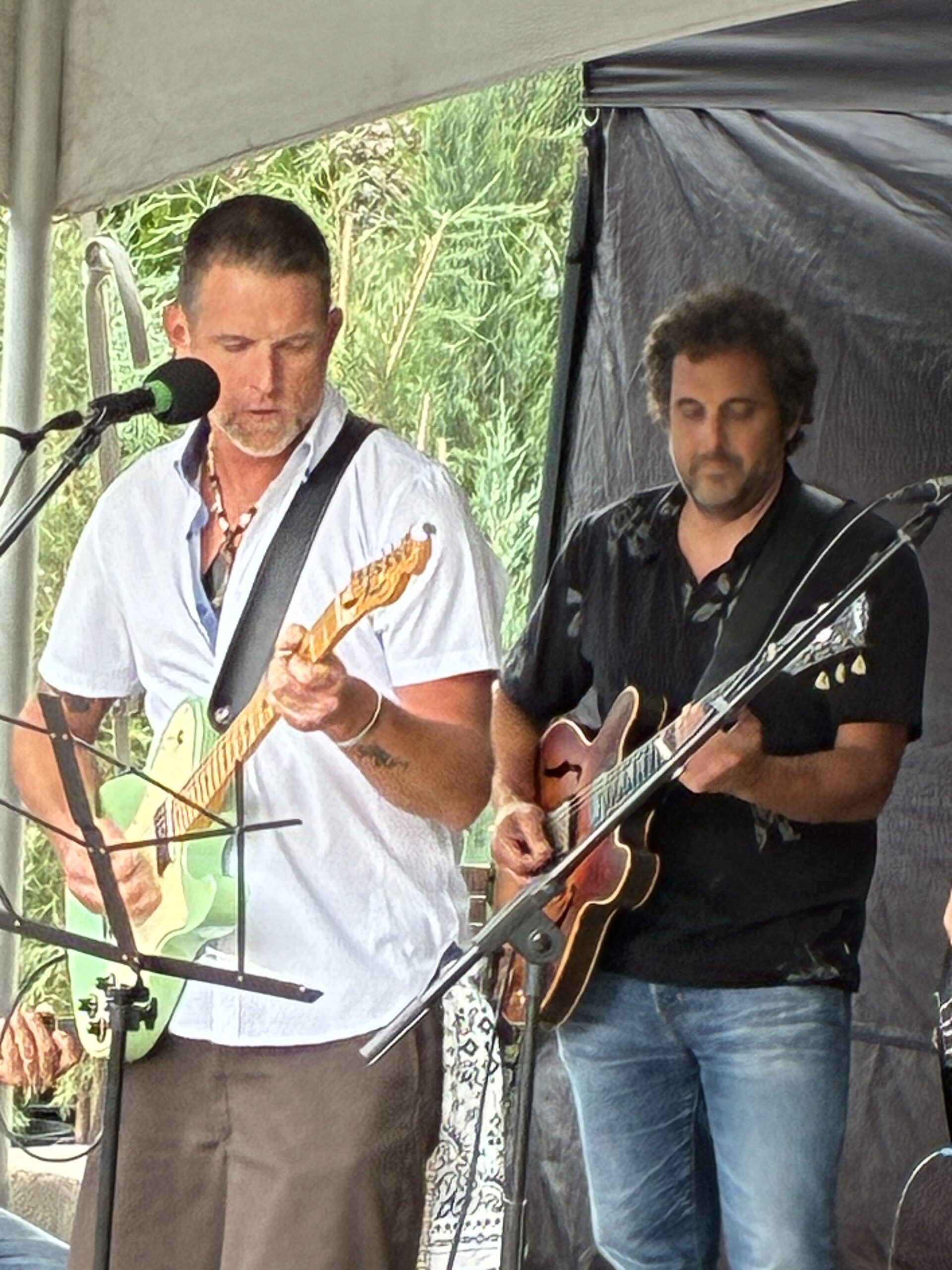
Music and Sculptures in the Garden, Bath Nursery, Fort Collins, June 24, 2026
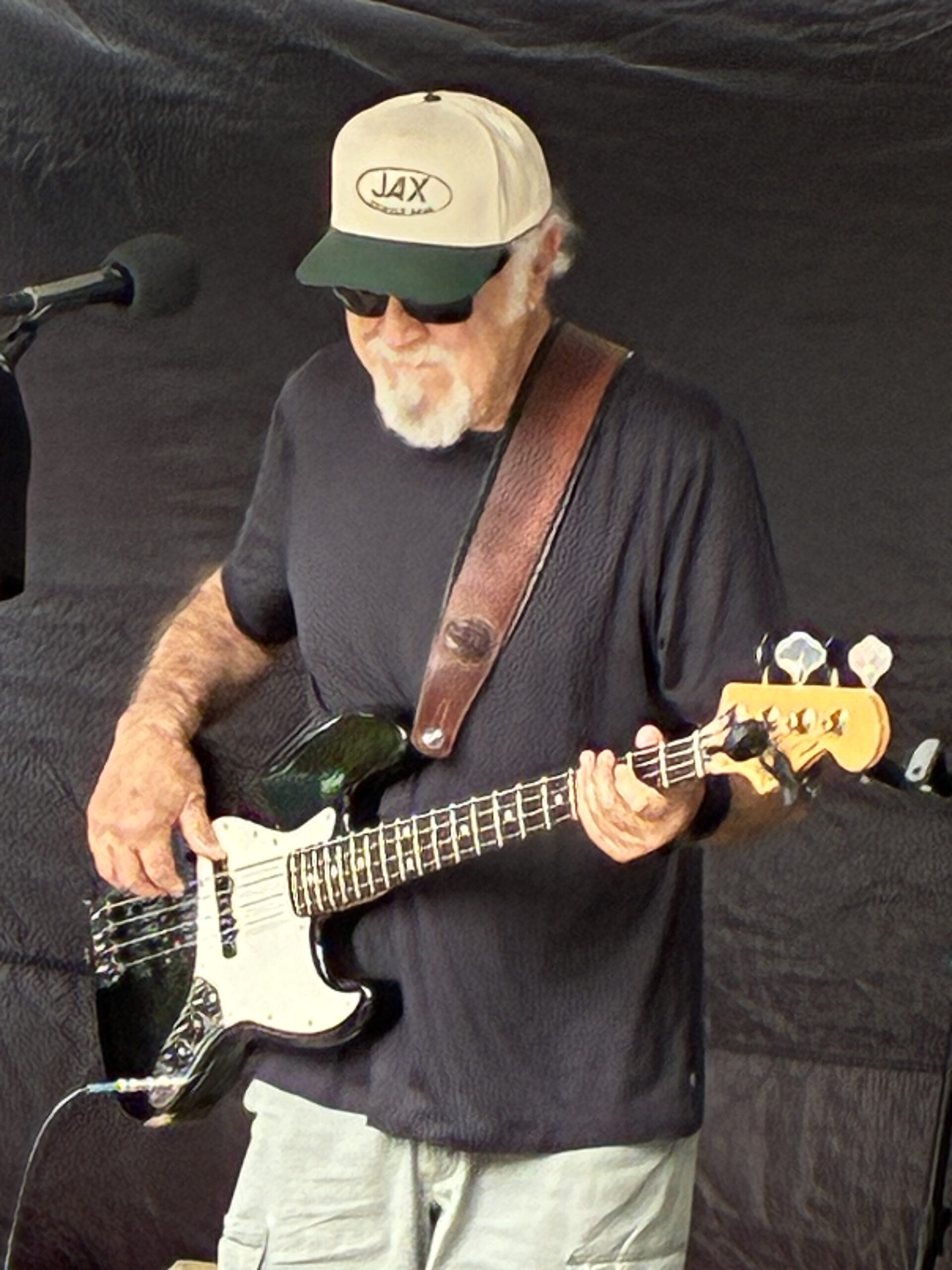
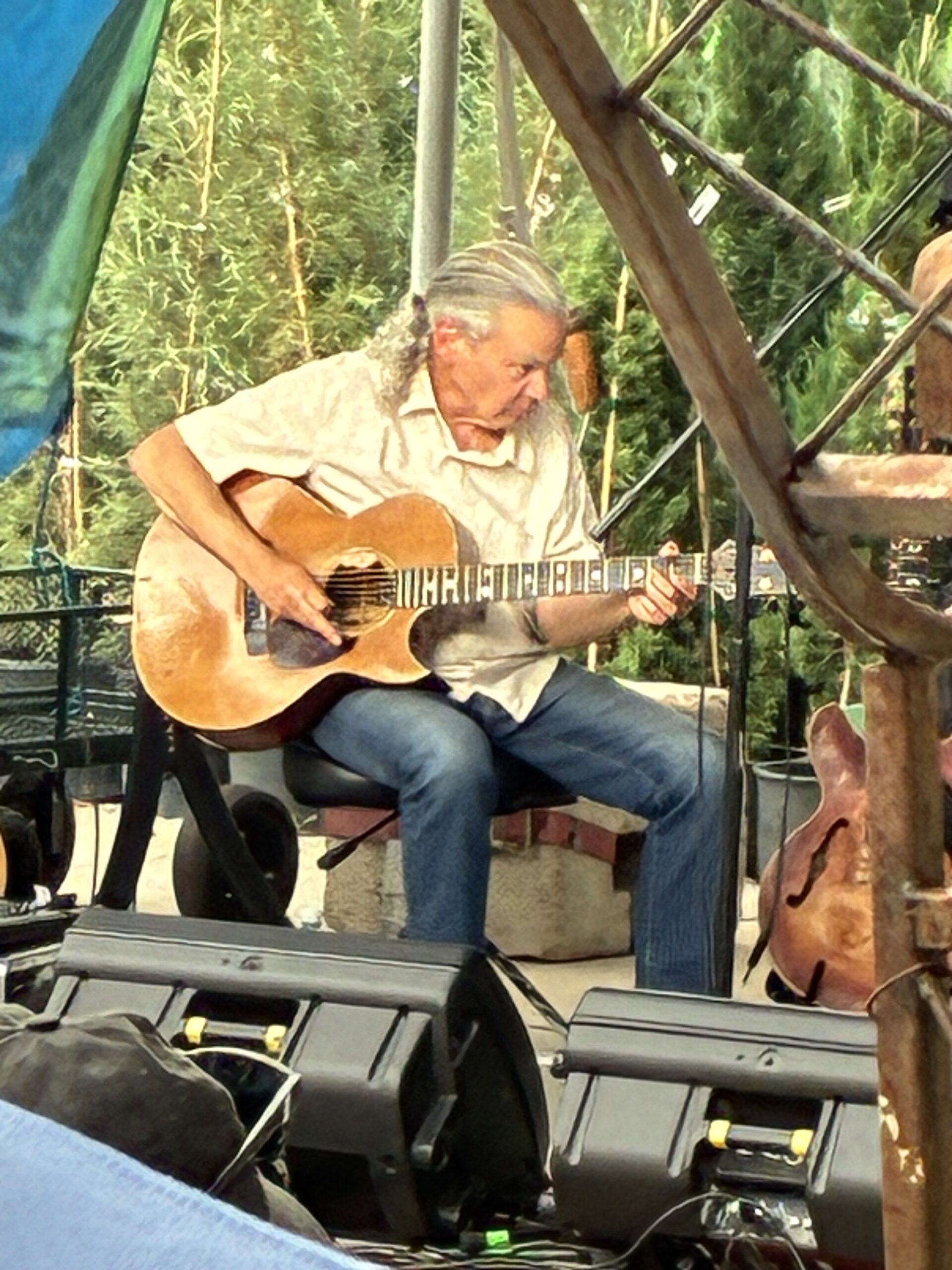
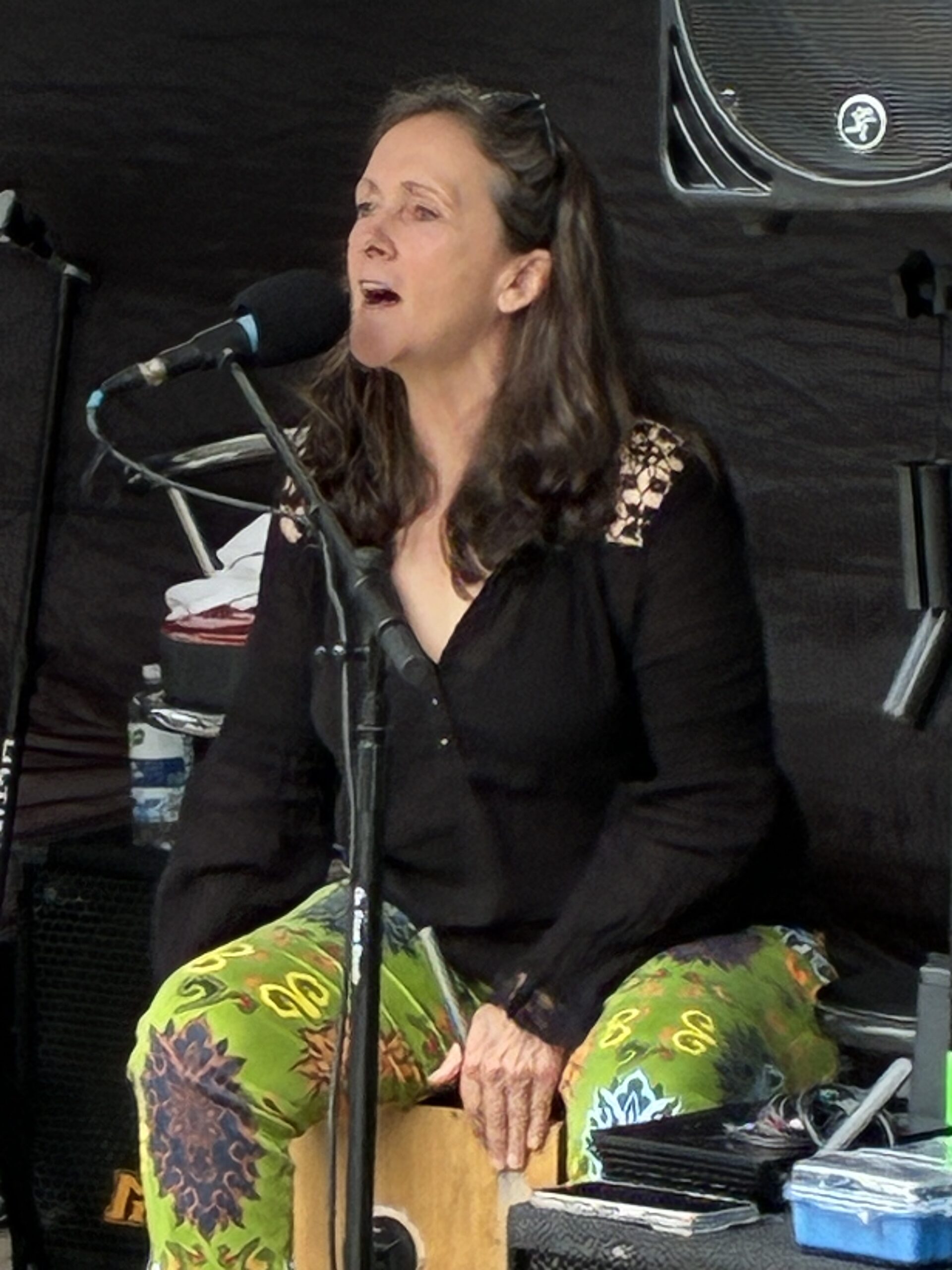
Tim Cook 2026 Bath Nursery, Fort Collins Photo by Tim Van SchmidtDave Beegle 2026 Bath Nursery, Fort Collins Photo by Tim Van SchmidtLiz Barnez 2026 Bath Nursery, Fort Collins Photo by Tim Van SchmidtJohn Magnie 2026 Bath Nursery, Fort Collins Photo by Tim Van SchmidtSeth Strickland and Joe Schicke 2026 Bath Nursery, Fort Collins Photo by Tim Van Schmidt
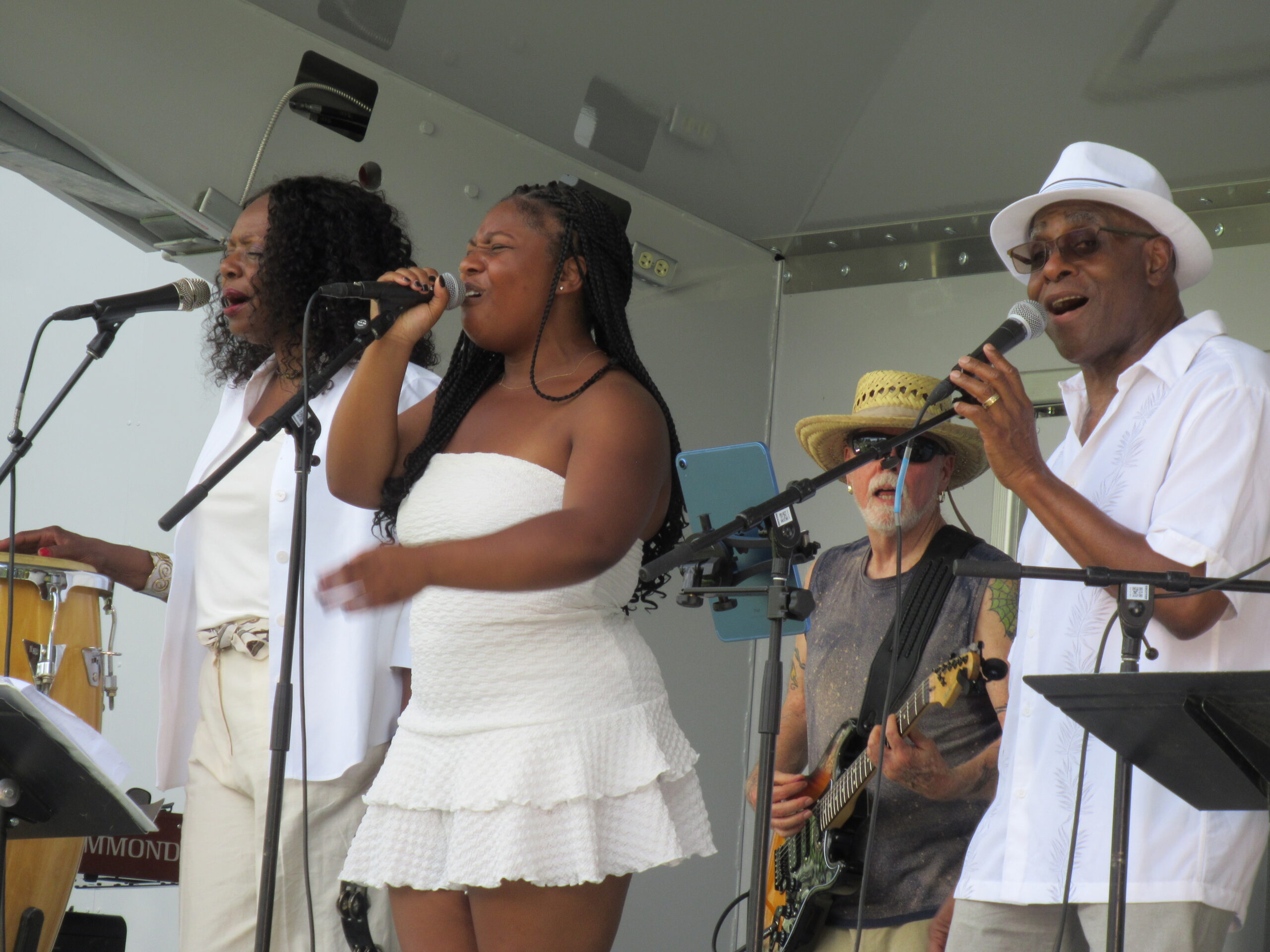
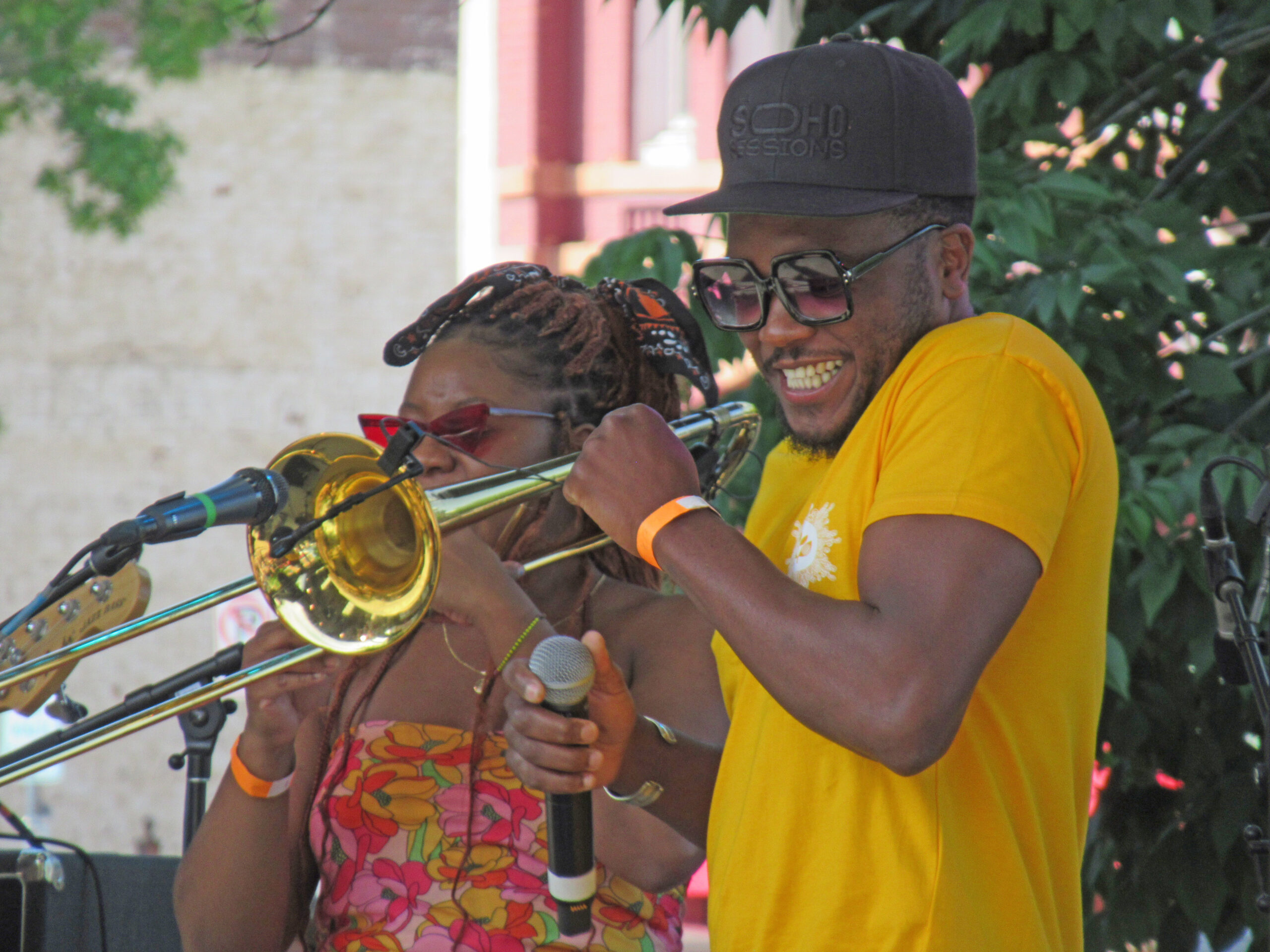
FoCo Motown Revue 2025 City Park Fort Collins July 4
FoCo Motown Revue 2025 City Park Fort Collins July 4 Photo by Tim Van Schmidt
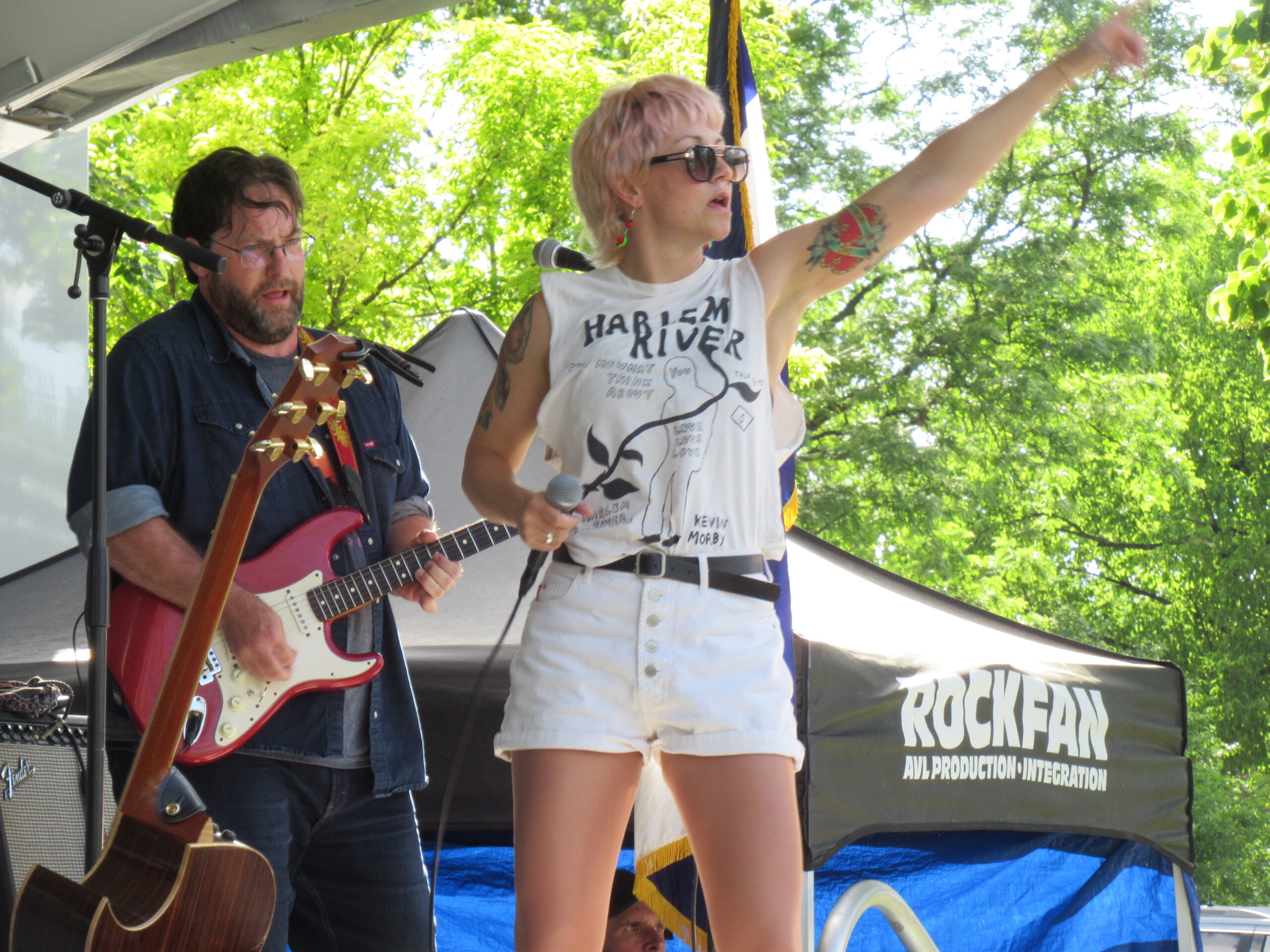
The Patti Fiasco 2025 City Park Fort Collins July 4
The Patti Fiasco 2025 City Park Fort Collins July 4 Photo by Tim Van Schmidt
Cimafunk 2025 Global Sounds Festival, Fort Collins May 31
Cimafunk 2025 Global Sounds Festival, Fort Collins May 31 Photo by Tim Van Schmidt
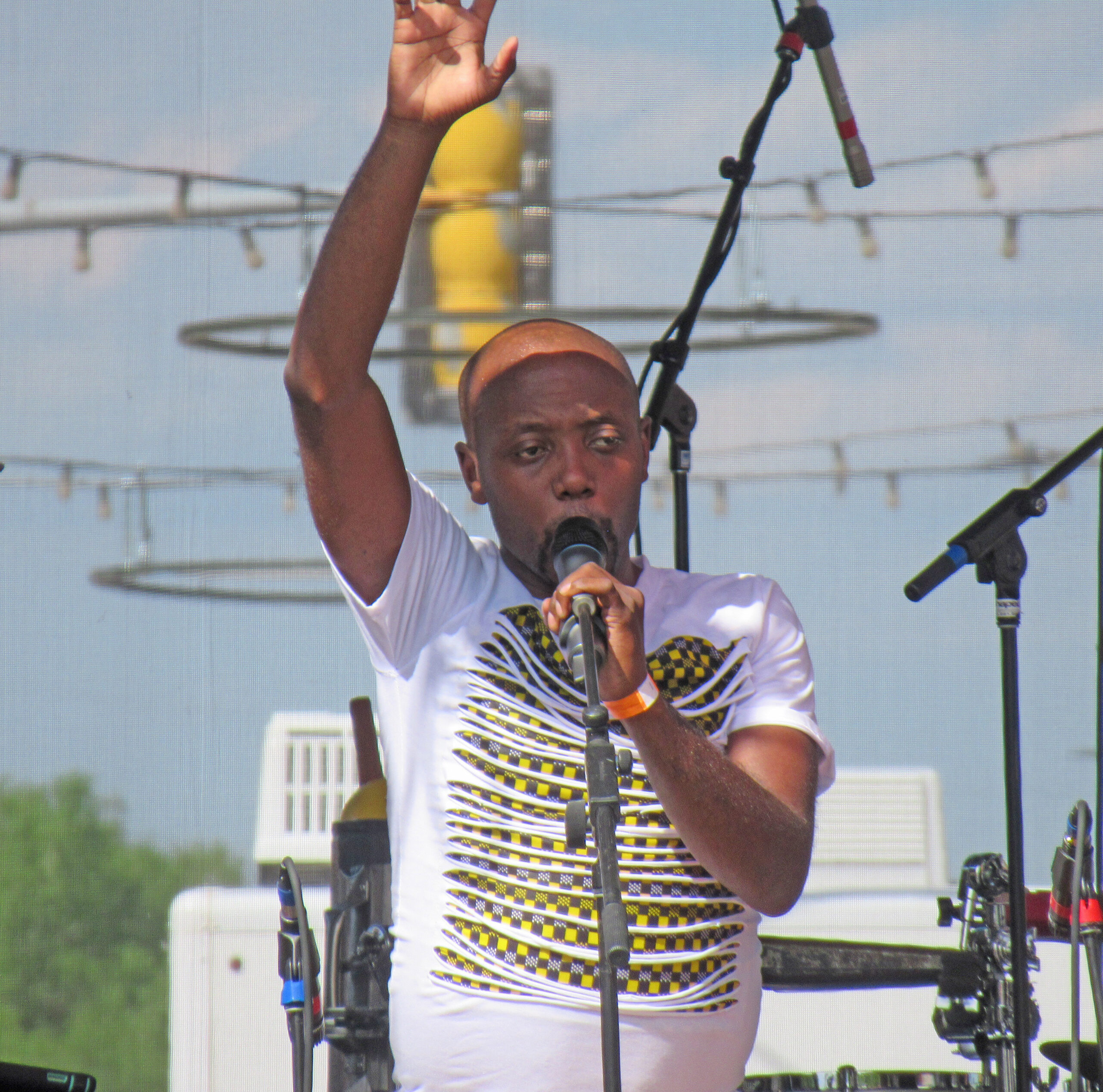
Blessing Bled Chimanga 2025 Global Sounds Festival, Fort Collins May 31
Blessing Bled Chimanga 2025 Global Sounds Festival, Fort Collins May 31 Photo by Tim Van Schmidt
Wrangler Jim and His Personal Demons 2025- “Gonna Light a Fire” Live at Avogadro’s Number
Russ Hopkins Band “White Road” Live at Avogadro’s Number 2024
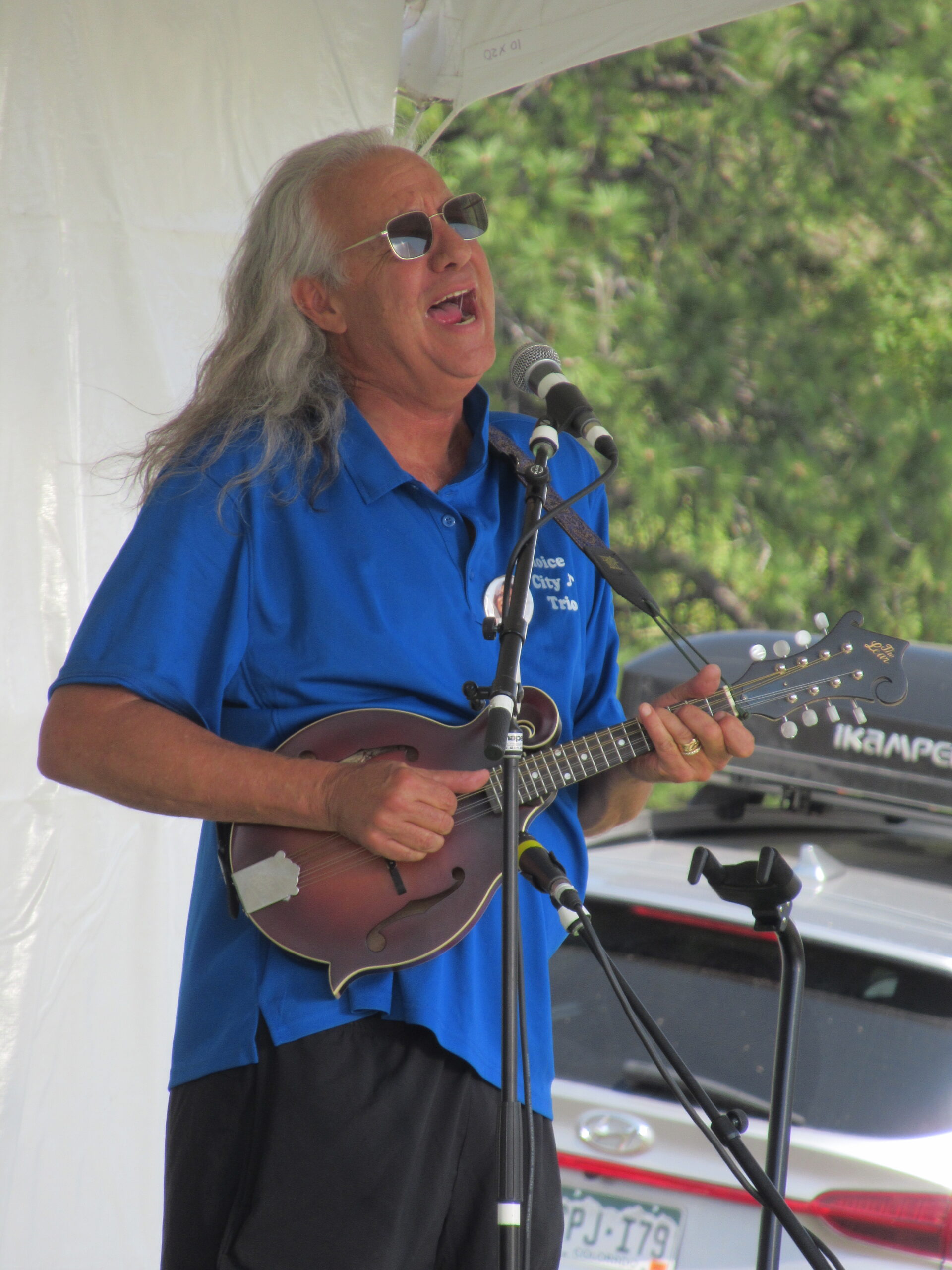
Choice City Trio at Rist Canyon Mountain Festival September 7, 2024.
Choice City Trio at Rist Canyon Mountain Festival September 7, 2024 Photo by Tim Van Schmidt
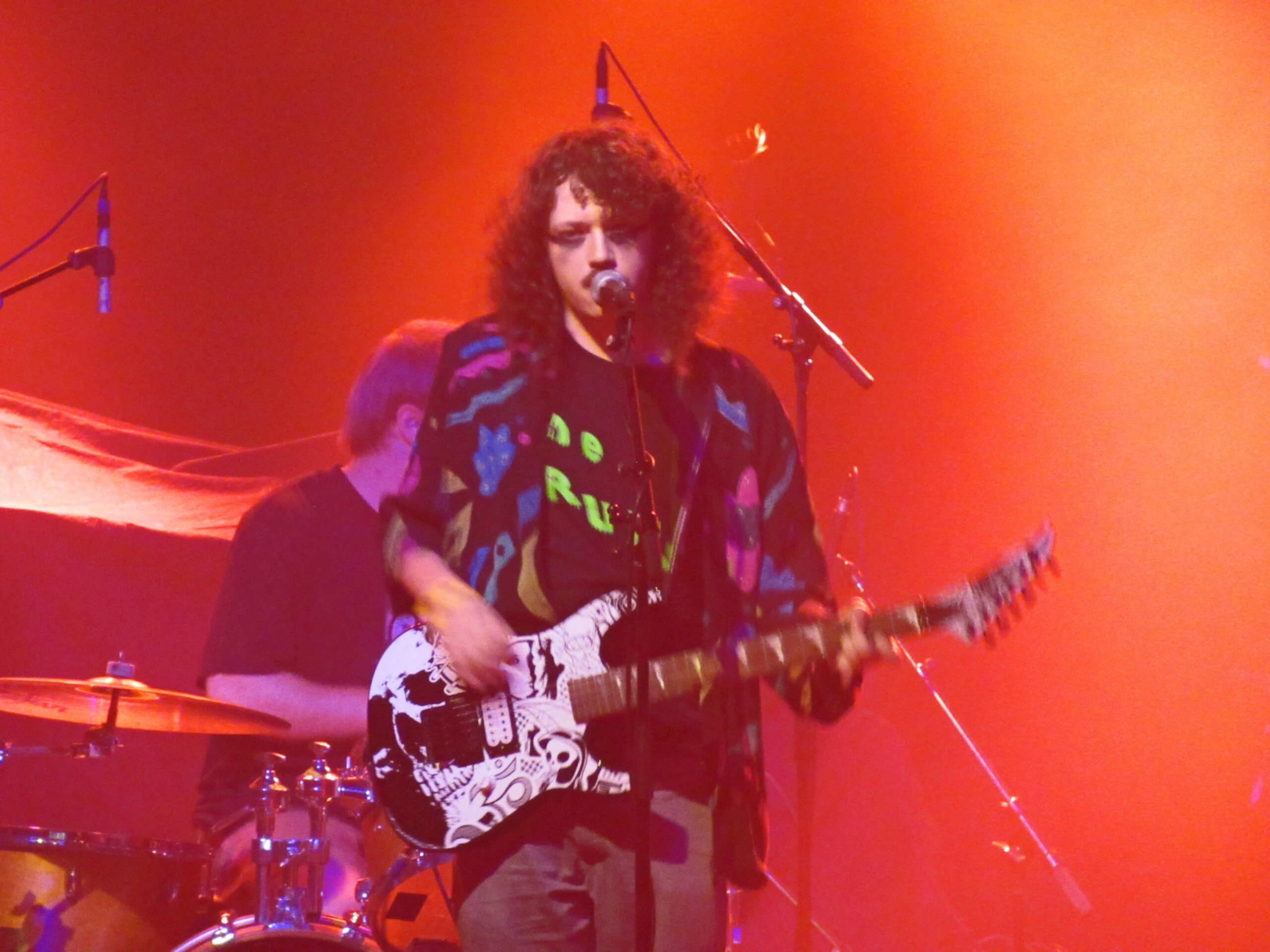
Hotel Wi-Fi opened the show for Dada at the Aggie Theatre, Fort Collins, August 2, 2024.
Hotel Wi-Fi 2024 Aggie Theatre, Fort Collins Photo by Tim Van Schmidt
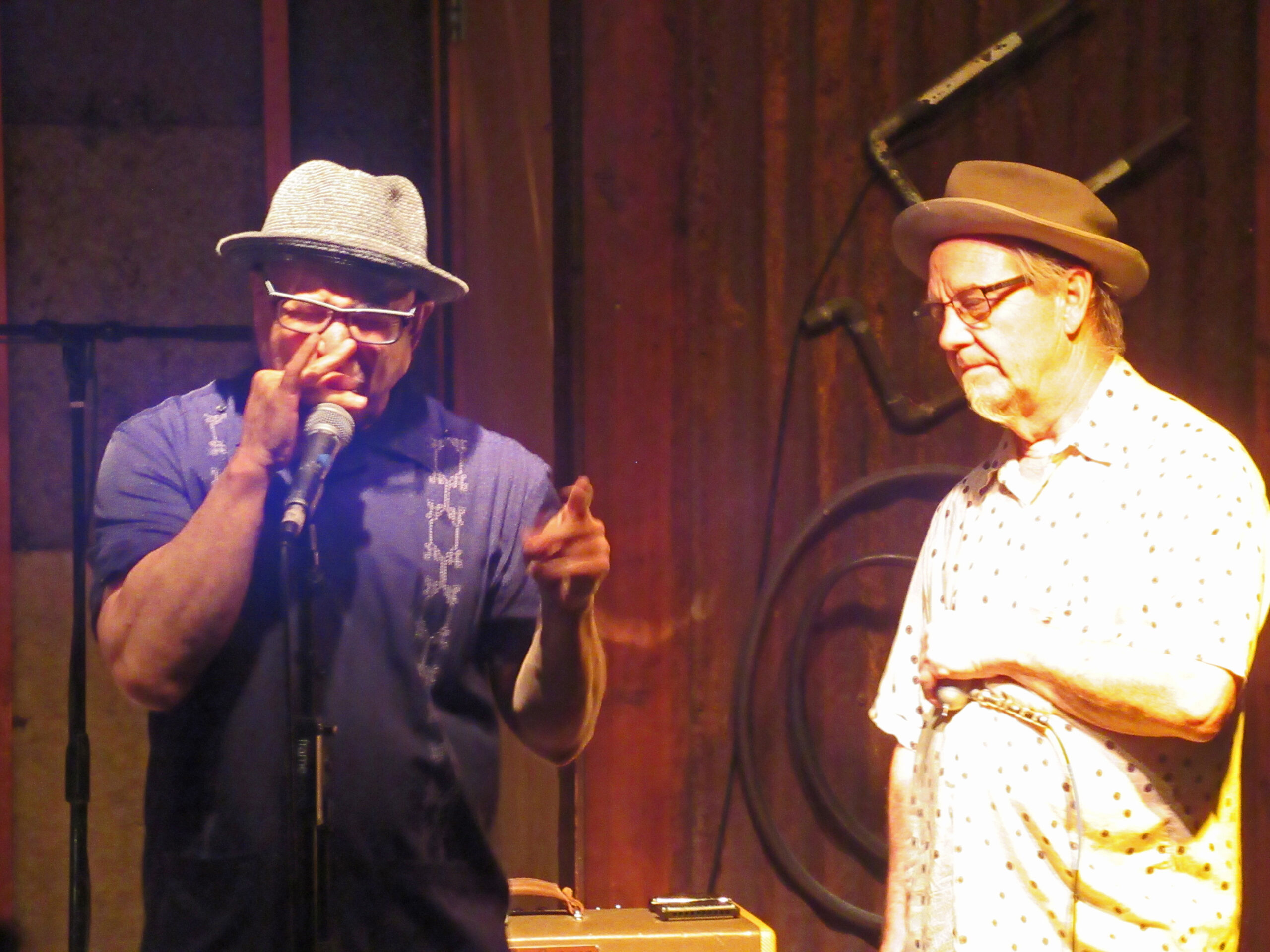
Al Chesis and Robert Wilson jammed during a Delta Sonics gig for the High Plains Blues Society at Avogadro’s Number, Fort Collins, June 15, 2024.
Al Chesis and Robert Wilson 2024 Avogadro’s Number, Fort Collins Photo by Tim Van Schmidt
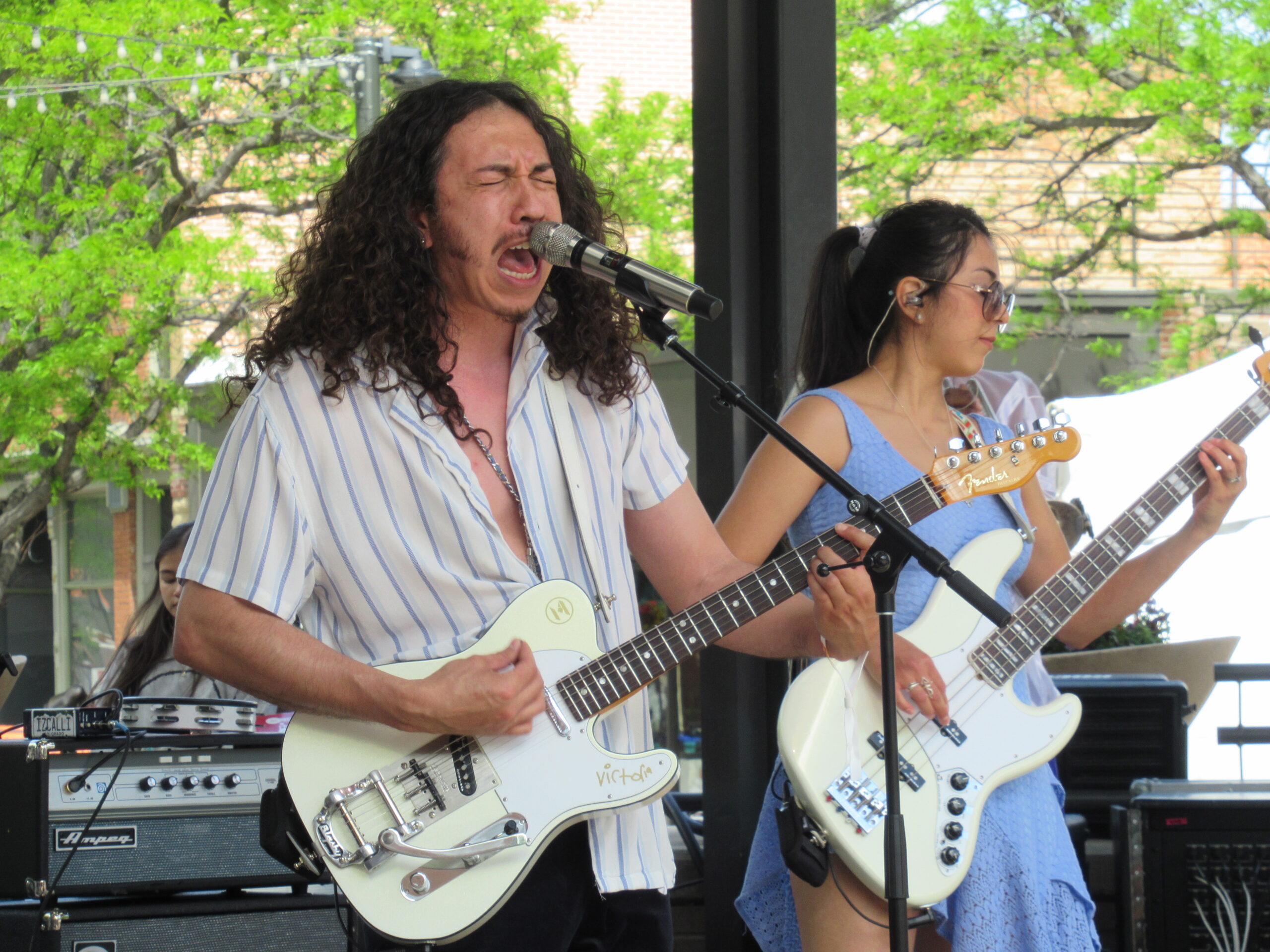
Izcalli at Global Sounds festival in Old Town Fort Collins, May 18, 2024.
Izcalli 2024 Global Sounds, Old Town Fort Collins Photo by Tim Van Schmidt
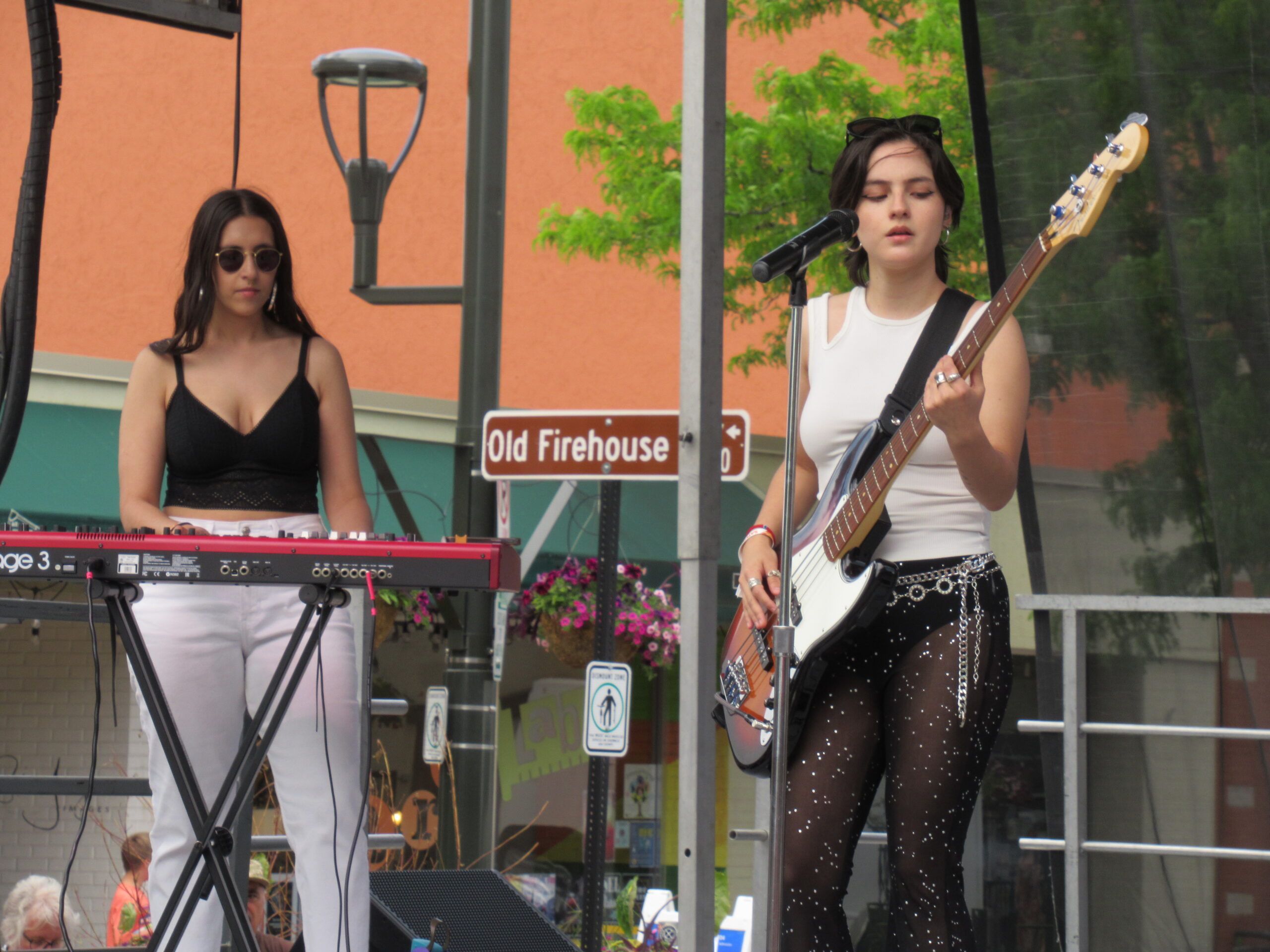
Neoma at Global Sounds festival in Old Town Fort Collins, May 18, 2024.
Neoma 2024 Global Sounds, Old Town Fort Collins Photo by Tim Van Schmidt
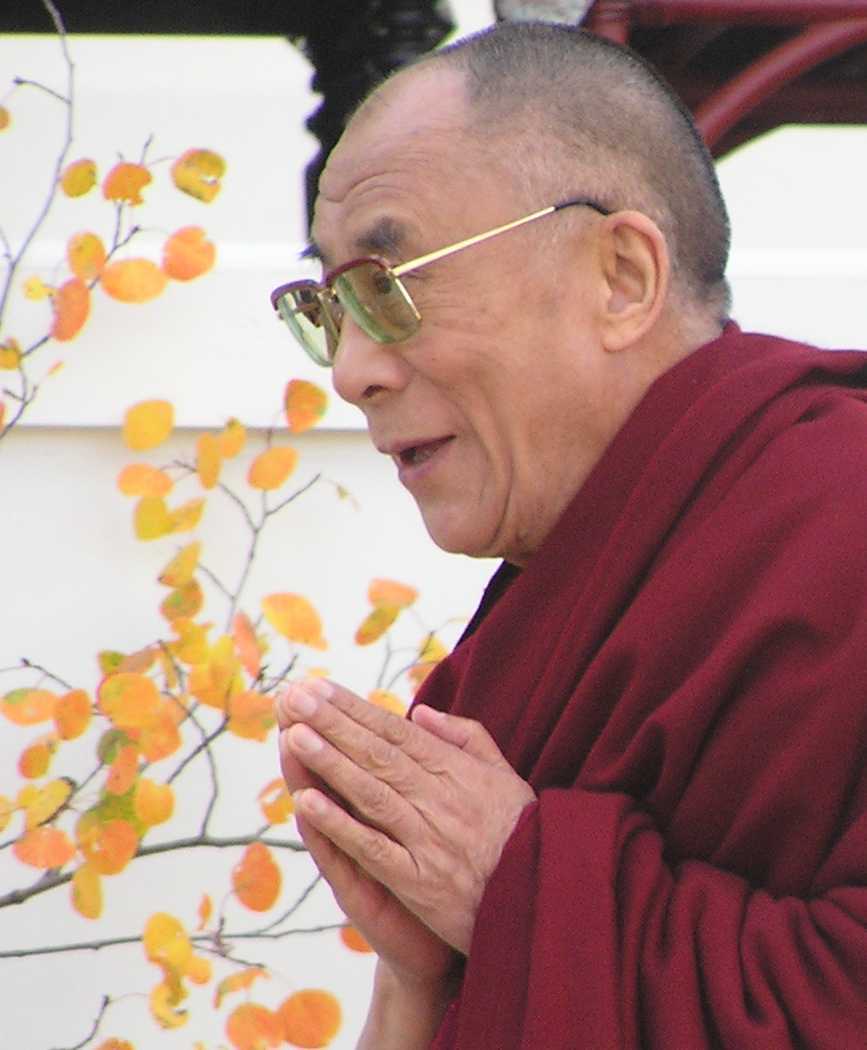
Dalai Lama arrives at Great Stupa of Dharmakaya Photo by Tim Van Schmidt
On September 17, 2006, His Holiness the Dalai Lama personally blessed the Great Stupa of Dharmakaya at the Shambhala Mountain Center, now the Drala Mountain Center, in Red Feather Lakes. He not only blessed the Buddhist shrine — the largest in the United States — but also accepted the first Living Peace Award.
Both gestures by the Dalai Lama, a Nobel Peace Prize winner in 1989, were rare honors for the meditation and retreat center located in the mountains of northern Colorado and an auspicious moment in NOCO history.
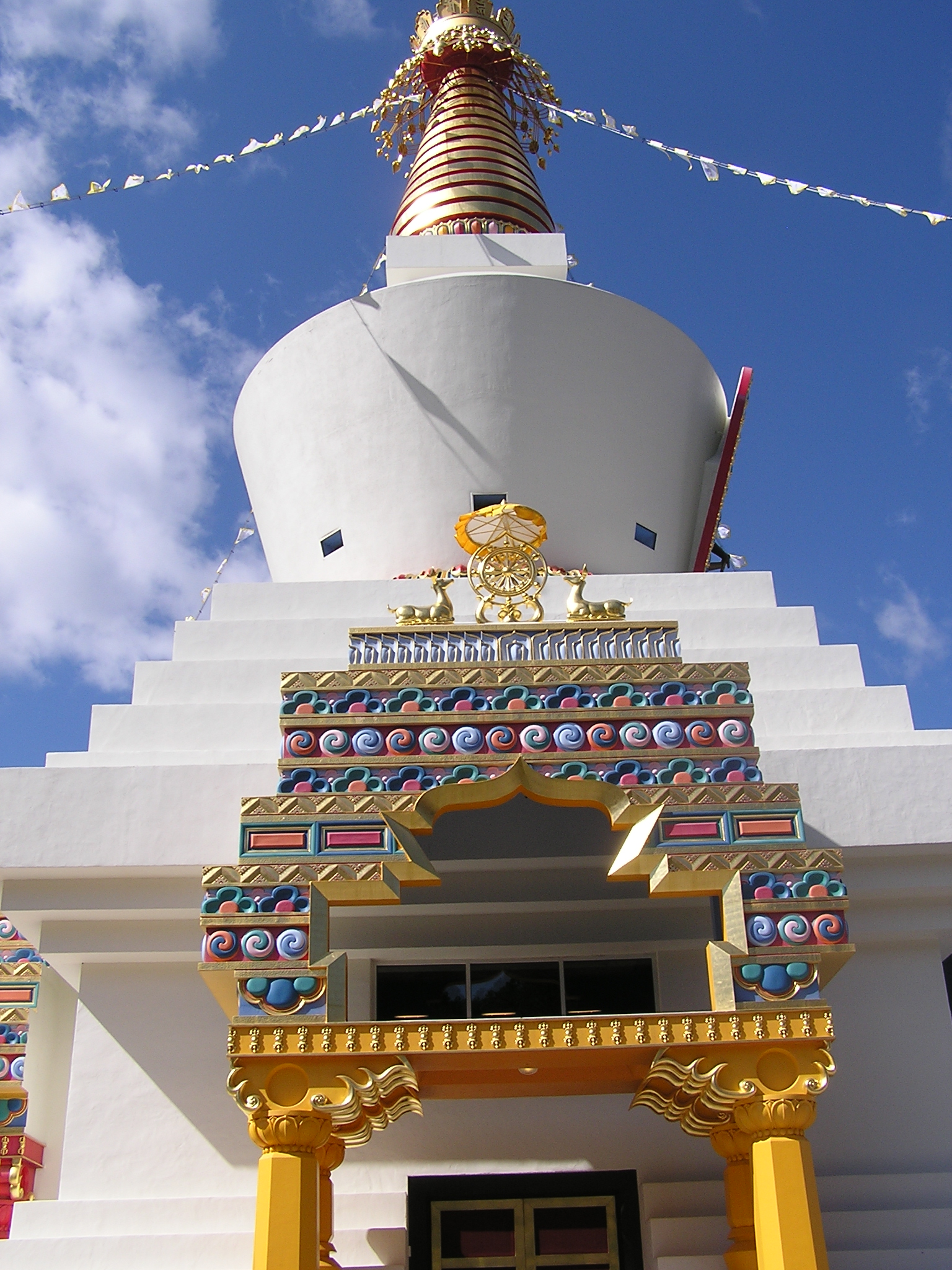
Great Stupa of Dharmakaya Photo by Tim Van Schmidt
Added to this was the presence of other dignitaries for peace, including Queen Noor of Jordan and Rabbi Irwin Kula of the National Jewish Center for Leadership and Learning, who joined the Dalai Lama on a stage set against the colorful grandeur of the Stupa and the Colorado landscape.
The Dalai Lama was also in Colorado to participate in a youth peace conference being held in Denver called PeaceJam, which featured the Dalai Lama along with nine other Nobel laureates, including Desmond Tutu.
On that cold and blustery morning in the Colorado mountains, the Dalai Lama and guests flew by helicopter to the Shambhala Mountain Center, then proceeded by motorcade to the Stupa. After participating in the event, the Dalai Lama flew back to Denver to speak to a sold-out audience at the Pepsi Center in the afternoon.
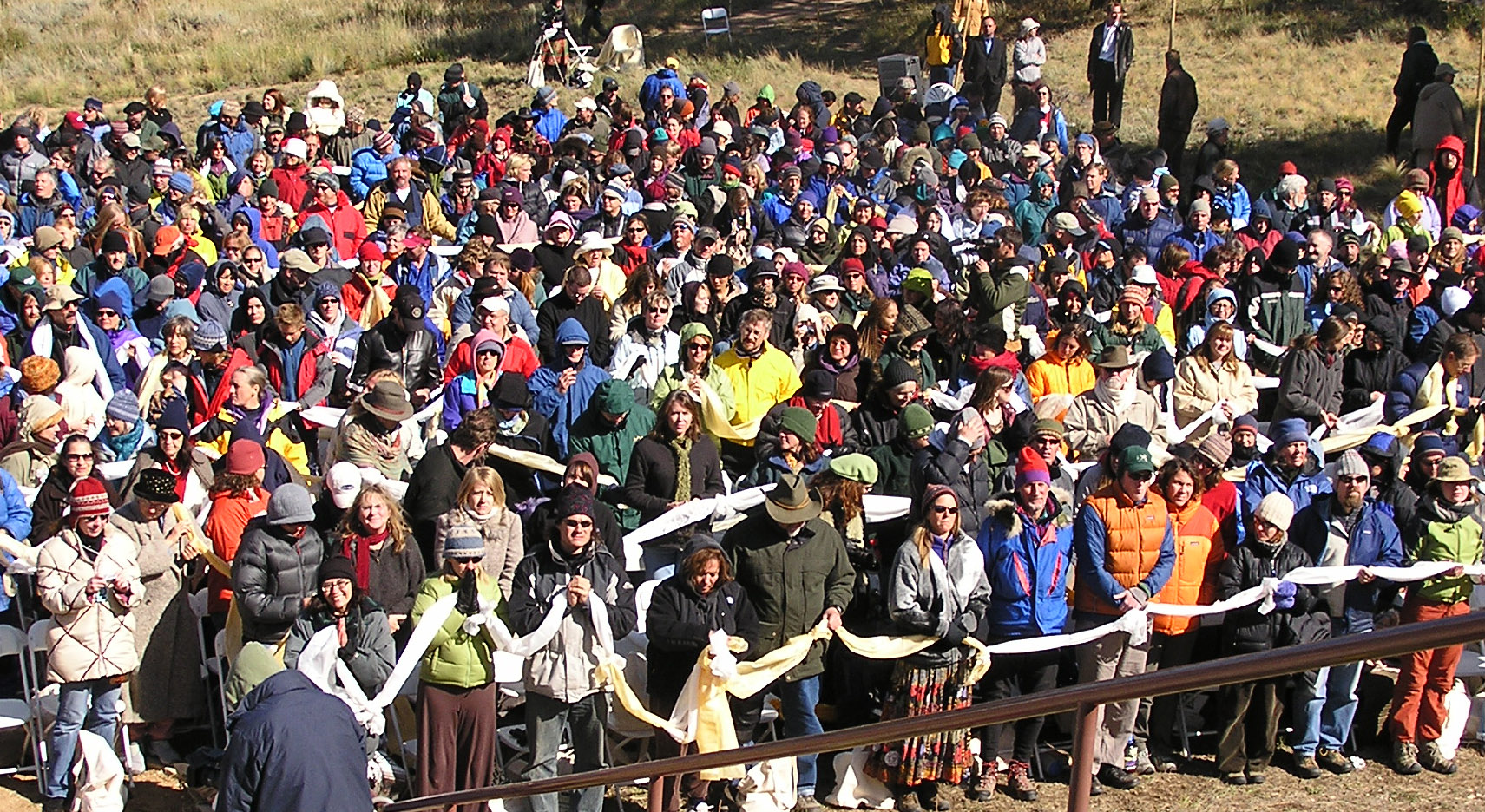
Clad in down coats and wrapped in blankets, an estimated 2500 people gathered in the early morning that day not only to see the Dalai Lama, but also to receive his blessing.
Blessings for attendees Photo by Tim Van Schmidt
At the end of the Dalai Lama’s stay, he touched the end of a length of cloth that fanned out far into the audience, who in turn had tied their own “khatas” to it, creating a fabric link among those assembled and the Dalai Lama.
But more than ceremony, the gathering at the Stupa featured comments from the dignitaries about the subject of peace and compassion. Noor called for “respect for freedom, justice and compassion”. Kula called the gathering “a profoundly hopeful moment” as well as chanted the messages of love retrieved from cell phone messages from 9/11 victims.
The Dalai Lama, speaking in purposeful English and in Tibetan through an interpreter, told the assembly that “peace of mind comes from compassion” and that “everyone has the seed of compassion in them”.
He spoke about the “gaps between appearance and reality” and that “our own action is most important”. He encouraged the audience to make every day meaningful and positive. As for the monument — the Stupa that towered above the stage — the Dalai Lama said, “The real stupa is in our own heart; the external stupa is just a reminder of our inner stupa”.
But more than formal teaching, the Dalai Lama also revealed some personal human qualities, like having the humility to admit a “big mistake” when he called Kula a “Muslim rabbi”. He laughed when the interpreter informed him of what he had done and the crowd laughed with him.
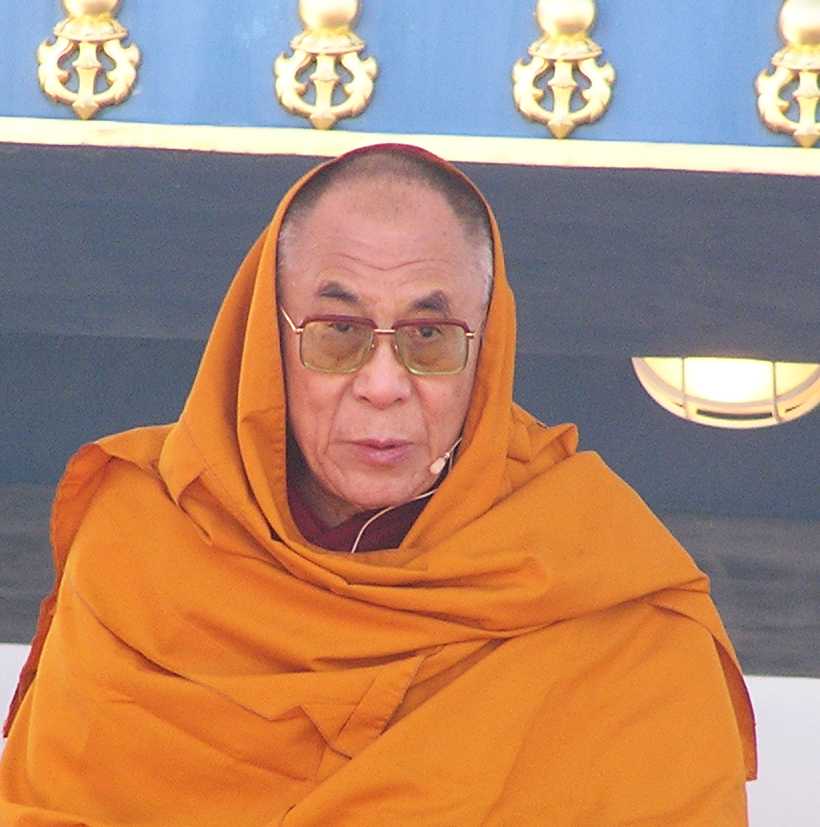
The Dalai Lama hunkered down into a huge, stately arm chair, raising a part of his robe over his head against the brisk weather, and he joked about rising early for the event and the force of the morning wind.
Dalai Lama 2006 Photo by Tim Van Schmidt
After his remarks, the Dalai Lama was then presented with the Living Peace Award, established by Shambhala International to acknowledge “those who not only wish for peace, but who are an embodiment of peace in themselves, living it daily”. His Holiness, Tendzin Gyatso, the Fourteenth Dalai Lama, was cited as “an indelible reminder to the entire world of what it truly means to live peace” through his “tireless efforts to bring humanity into harmony with itself and with our precious planet Earth”.
The Dalai Lama accepted the award by bowing deeply. He then left the stage and entered the Stupa for a period of time before returning to touch the extended khata with a ritual scepter.
After the Dalai Lama and company had left, their helicopter curving back down and over the crowd that waved cheerfully, events were capped off with a presentation by Chief Looking Horse, of the Lakota Sioux, who told the crowd we need to “unite spiritually, globally”, and with some traditional Tibetan dance.
Being in the presence of the Dalai Lama was memorable indeed.
I’ll say that while photographing the event, more than once I felt like the Dalai Lama was looking directly at me. Even while he was talking, at times, I felt like he was speaking right to me. His gaze and his words made me feel very self-conscious — and maybe that was the point.
Did I need the message of peace with compassion that was being discussed on stage? Yes. Does the world need it today? Absolutely.
For one bracing morning, the Great Stupa of Dharmakaya had truly been a symbol of peace, thanks to an unprecedented gathering of dignitaries. On its steps, the message of peace through compassion could hardly have been spoken with any more authority.
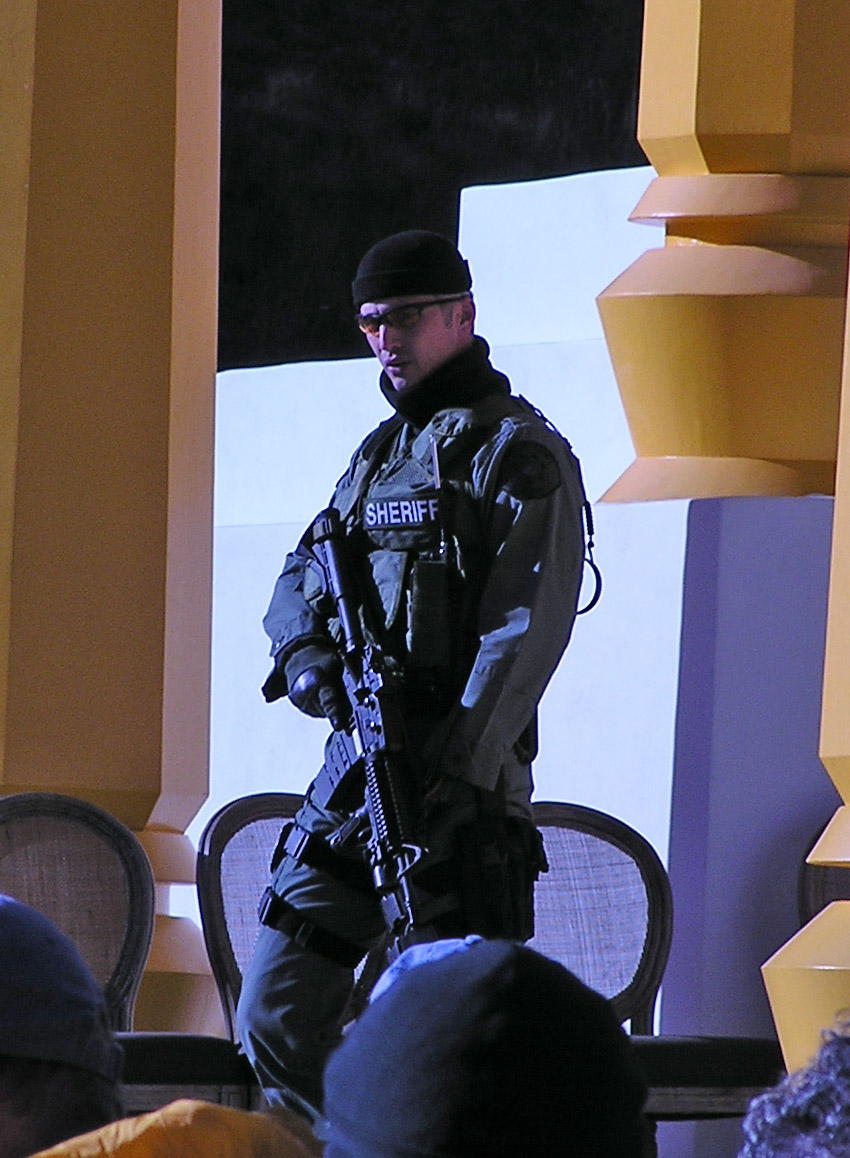
Tight security for Dalai Lama in Colorado Photo by Tim Van Schmidt.
After the event, many of the words I had heard echoed in my mind as I made it to the parking lot, but I had to laugh when I saw a bumper sticker on a neighboring car that seemed to sum up everything in two words: “Question reality”.
That is, question reality about war and peace, question reality about the appearances of things, but most of all, question reality about yourself — it is the most important work you can do.
Tim Van Schmidt is a writer and photographer based in Fort Collins. Check out his channel on YouTube at “Time Capsules by Tim Van Schmidt”.